Hot coffee lawsuit: A very American story
Published:
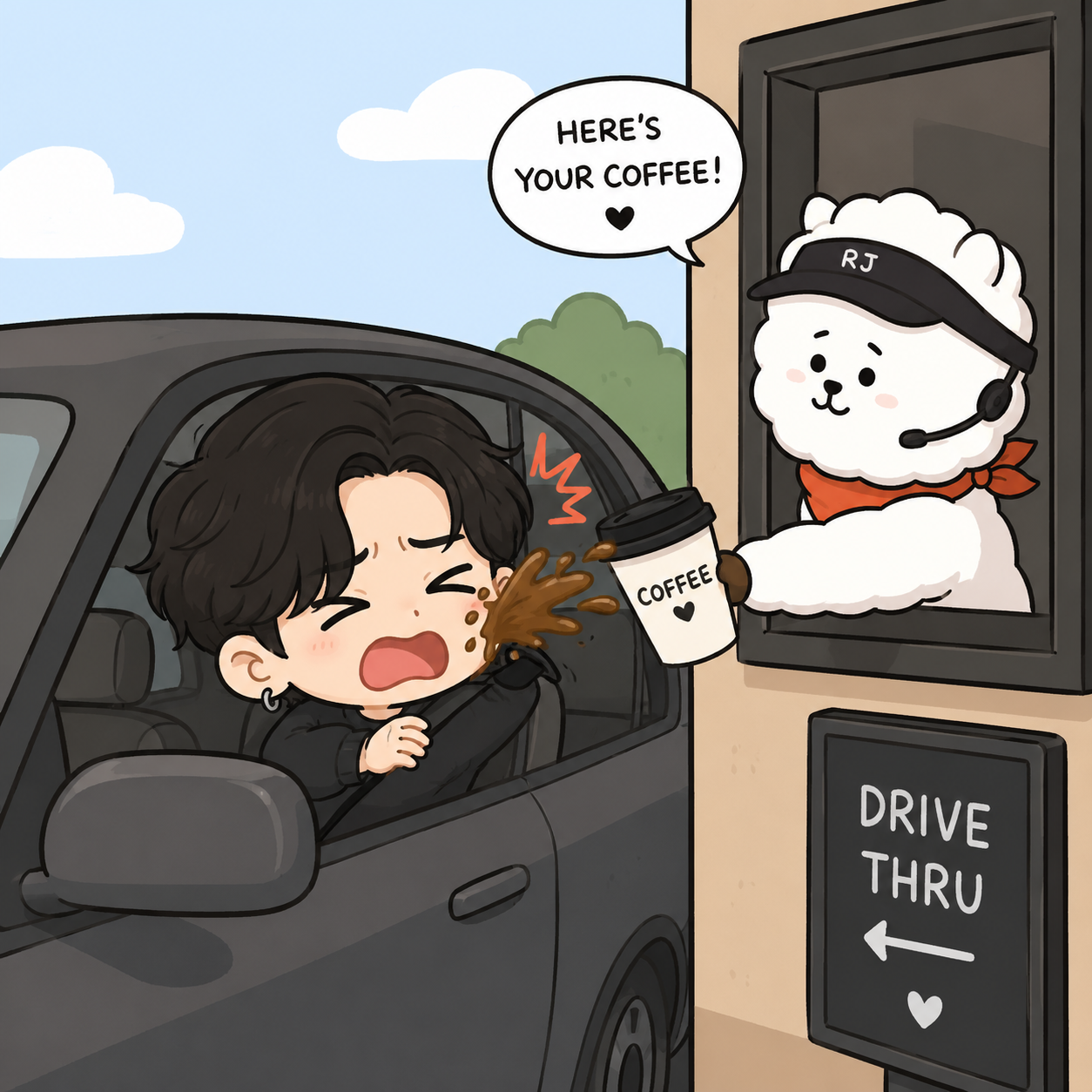
In 1992, Stella Liebeck, a 79-year-old grandmother, spilled hot coffee on herself after purchasing it from a McDonald’s drive-thru in Albuquerque, New Mexico. The incident resulted in a lawsuit against the company and the now well-known “Careful, it’s hot!” warning on coffee cups across the United States.
At this point of the story is where our very American story begins. What could possibly be more American than this setting: a McDonald’s drive-thru, a frivolous lawsuit, and the “Careful, it’s hot!” warning on the cups? When I first moved to the United States in 2011, I was surprised to see this warning on coffee cups, as it seemed obvious to me that hot coffee could cause burns. After some friends explained to me that companies add this label for legal reasons, I thought it was even more ridiculous. I mean, who needs a warning on a coffee cup? And furthermore, who would sue a company if they don’t include it?
After watching a YouTube video from the channel “LegalEagle” link, I learned that the case is not frivolous at all. In fact, Stella Liebeck suffered third-degree burns on her thighs, groin, and buttocks, which required skin grafts and a lengthy hospital stay. After learning the details of the case, I realized that the story is actually even more American than I initially thought, and not in a stereotypical way, but in a more serious way.
Let’s start with the most trivial aspect of the story. The coffee Stella purchased was served at approximately 190 degrees Fahrenheit, which is much hotter than the average home-brewed coffee. For reference, water boils at 212 degrees, and most home-brewed coffee is served at around 135–150 degrees. Drinking beverages above 150 degrees is a significant risk factor for esophageal cancer. Personally, I have also wondered why some coffee shops in this country serve coffee at such high temperatures. From what I have read, it seems that it has to do with American commuter culture. Most people in the US buy their coffee to go, and they want it to stay hot for as long as possible. This is despite the fact that the Food and Drug Administration (FDA) recommends that coffee should be served at a temperature of 130–160 degrees Fahrenheit to prevent burns.
Ok, but Stella was still clumsy for burning herself, right? Why should McDonald’s be held responsible for her injuries, albeit severe? Partly, yes, one could justify that it was her own fault for spilling the cup of scalding hot coffee on herself. In fact, the jury in the case found that Stella was 20% at fault for the incident.
Stella Liebeck had never sued anyone before. She and her family wrote a letter to McDonald’s, explaining the situation and requesting that 1) they lower the temperature of their coffee to prevent other people from getting injured, and 2) that they cover her medical expenses, which rose to more than 10,000 dollars. McDonald’s offered her a settlement of 800 dollars, which she refused. Once again, in full American style, Stella’s attorney and her medical insurance company advised her to file a lawsuit against McDonald’s to cover her medical expenses and the long-term effects of her injuries, which, surprisingly to no one, the medical insurance did not completely cover.
The sad part of the story is that the media portrayed the case as a frivolous lawsuit, and Stella as a greedy plaintiff seeking to make a quick buck. Once again, in good old-fashioned American style, conservative politicians passed laws to limit the amount of damages that could be awarded in such cases, now known as “tort reform.”
There are many takeaways from this story, from the media bias to sell the story as a frivolous lawsuit, to the negligence of companies regarding safety standards. With all due respect to Stella Liebeck and her family, I like to think of this story as one that could only ever take place in this country, for good and for bad. One could argue that also in good old-fashioned American style, Stella looked after the safety of others by trying to get McDonald’s to lower the temperature of their coffee in an act of incredible selflessness and consideration for the well-being of others.